Join real people.
You are not alone.
Your data stays inside.
Now it is your turn.
Silence Will Not Protect Us: Sexual Violence and Power in Academia
Details
| Date & time | Feb 25 '22 |
| Ends on | Feb 26 '22 |
| Location | |
| Creator | gwaters |
| Category | symposium |
| Registration | Link |
Who's attending
 PRO
Description
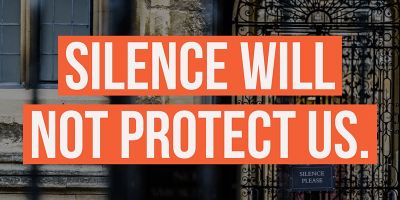
A free student-organised symposium on sexual violence and power in academia.
About this event
The hybrid symposium on February 25 is open to all and will
include panels and conversations about sexual violence and power in
academia.
The following day, February 26, there will be in-person workshops for students and online workshops for all others, including all remote participants.
See our website for the latest announcements about events and speakers.
Day 1 (Feb 25) Panels will include:*
Navigating Silence(s): Personal and Political Histories of Harassment and Activism
This first panel will address the longer histories and broader context of resistance to sexual violence, as well as how personal experience informs the panelists’ research, their activism, and the necessities of self-care.
Enforcing Silence: Complaint Processes, Institutional Betrayal, and Retaliation
The
panel will address the complaints process, especially how institutional
policies and procedures — including confidentiality/non-disclosure
agreements and retaliation — punish people who come forward with reports
of abuse.
Senior Scholars, Power, and Solidarity
This conversation between of academics in high-level positions will explore how their respective activism has evolved through the course of their careers, and what they have learned from their advocacy in academia. We will pay particular attention to the phenomenon of “fracturing,” in which marginalised people who rise within academic hierarchies are not supportive (or are even hostile to) calls for change.
Transforming Silences: Language and Collective Action
In this panel, the speakers will discuss how complaints and reports of sexual violence and harassment are products of institutional failure, and reformulate individual experiences of misconduct into collective calls for systemic change — whether through the courts, the streets, or the press.
Supporting One Another as Students and Early Career Scholars
Current and former students discuss what kind of support helped them before, during and after experiencing misconduct.
Refusing Reform: Enacting Cultures of Radical Change in Academia
This final panel will consider how we can reject “mere reform” and instead advocate and explore new agendas for transformation that do not perpetuate the very power disparities which precipitate harassment and misconduct.
* Program subject to change.


The Wall